Year: 2025
Role: Sound Design and Haptic Experience
Collaborator: WIP Collective & The Design Trust for Public Space
Media: Sound Installation
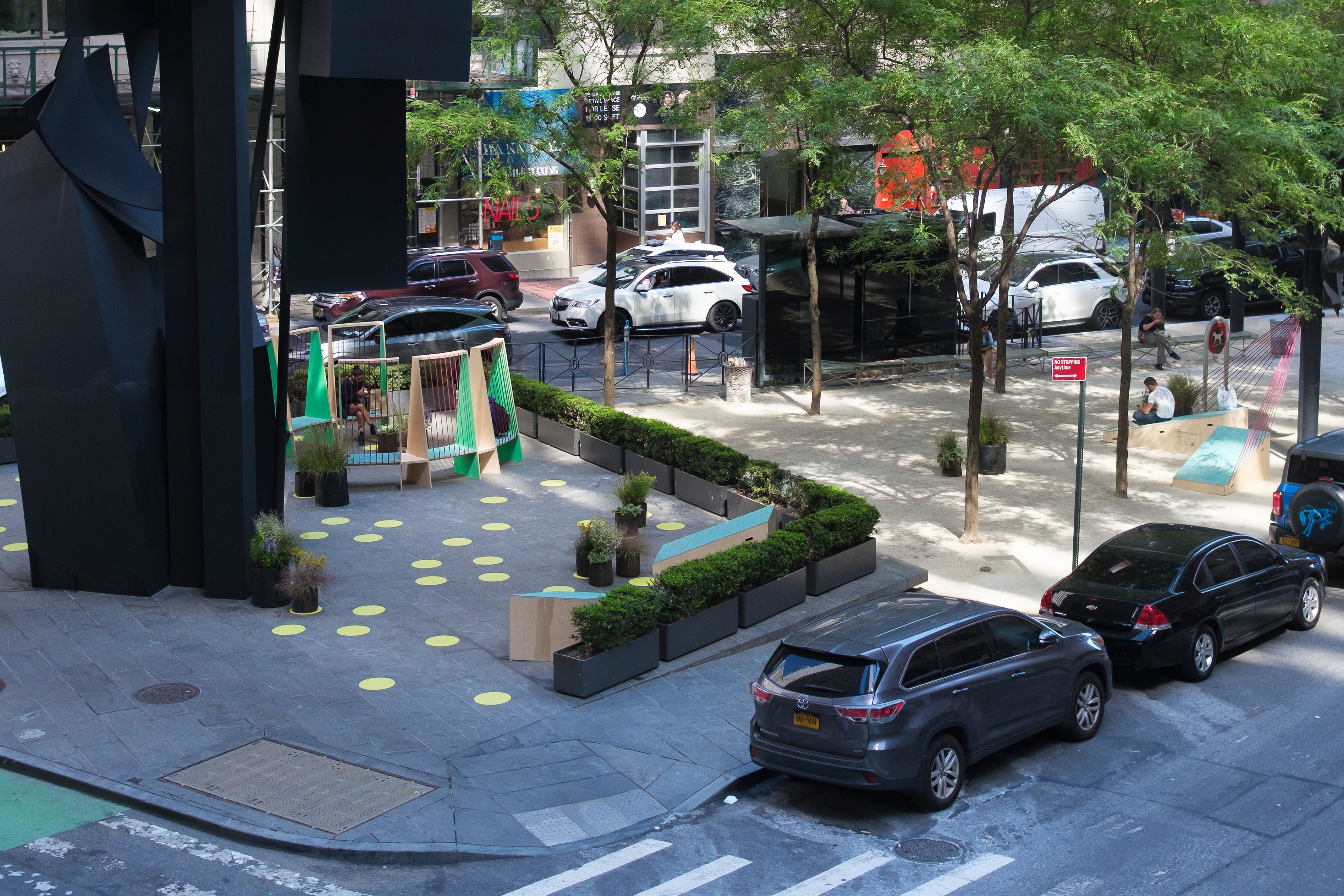
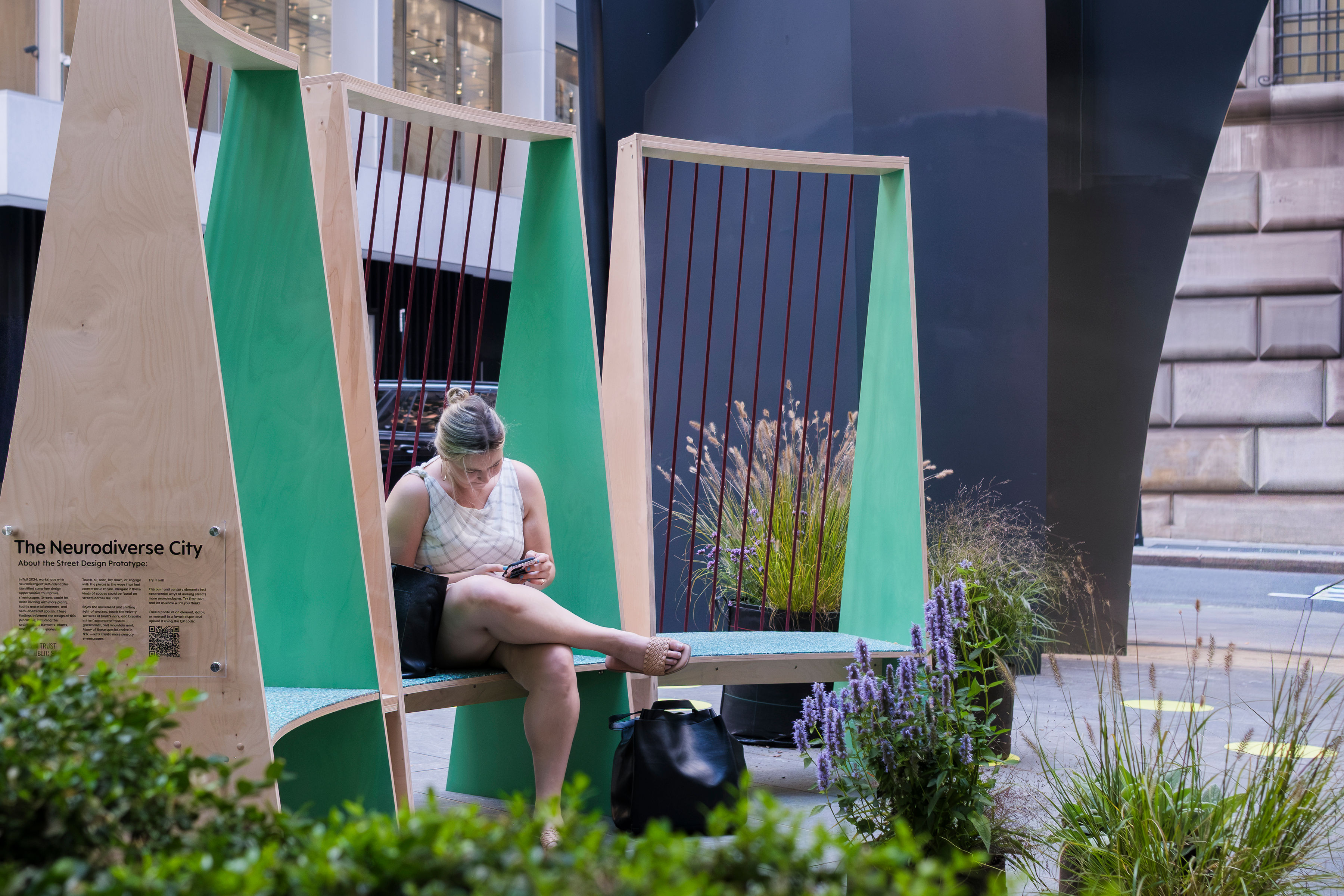
The Neurodiverse City is an ongoing research and design initiative in partnership with The Design Trust for Public Spaces to reimagine NYC's public spaces to better support neurodiversity.New York City's public spaces are designed for the neurotypical majority, creating environments that can be overwhelming, inaccessible, or even hostile to neurodivergent communities. Traffic noise, construction sounds, and the constant sensory bombardment of urban life make it difficult for many people to comfortably occupy public space. While there's growing awareness of neurodiversity, there are few scalable interventions that actually transform existing public infrastructure to be more sensory-friendly and neuroinclusive.
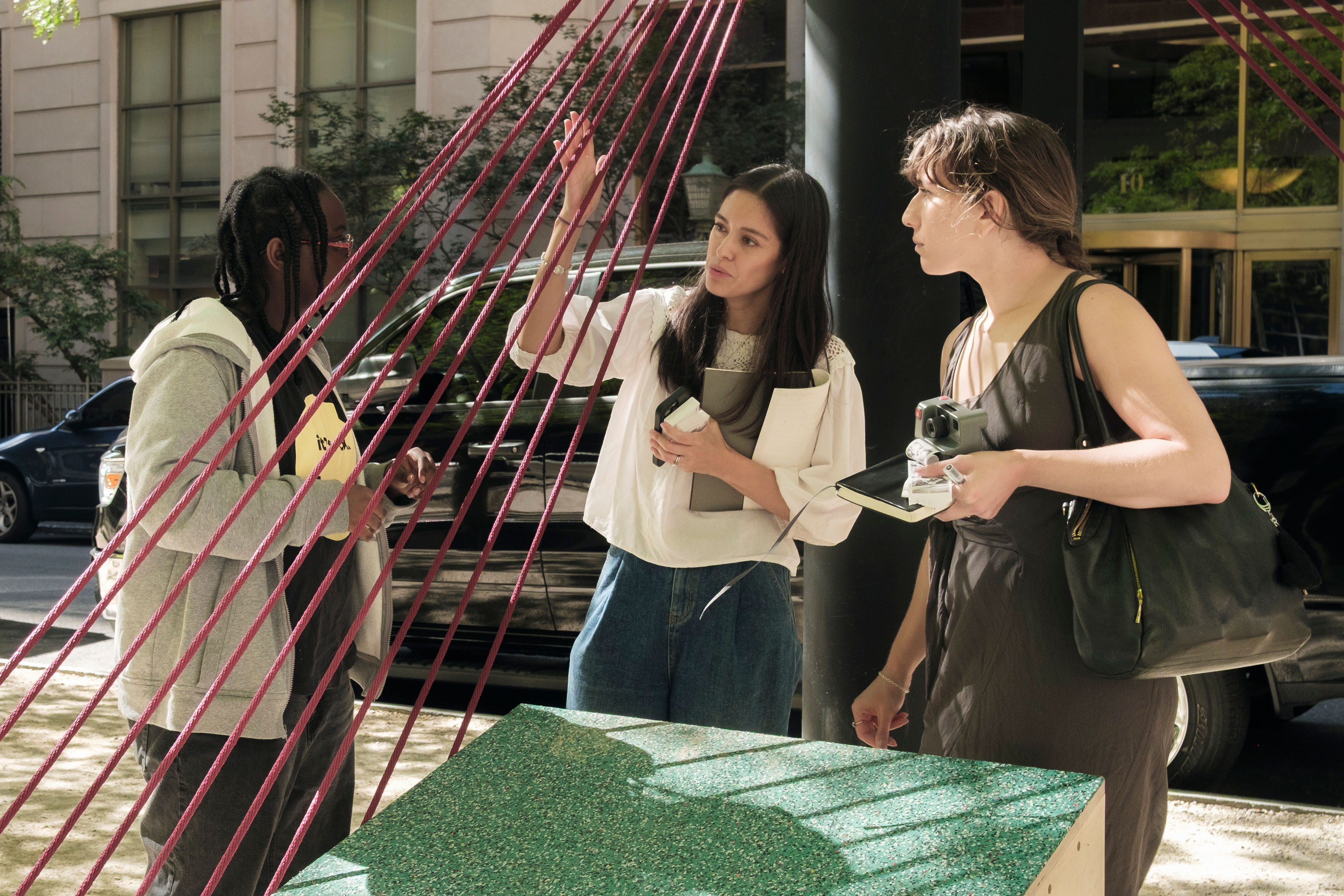
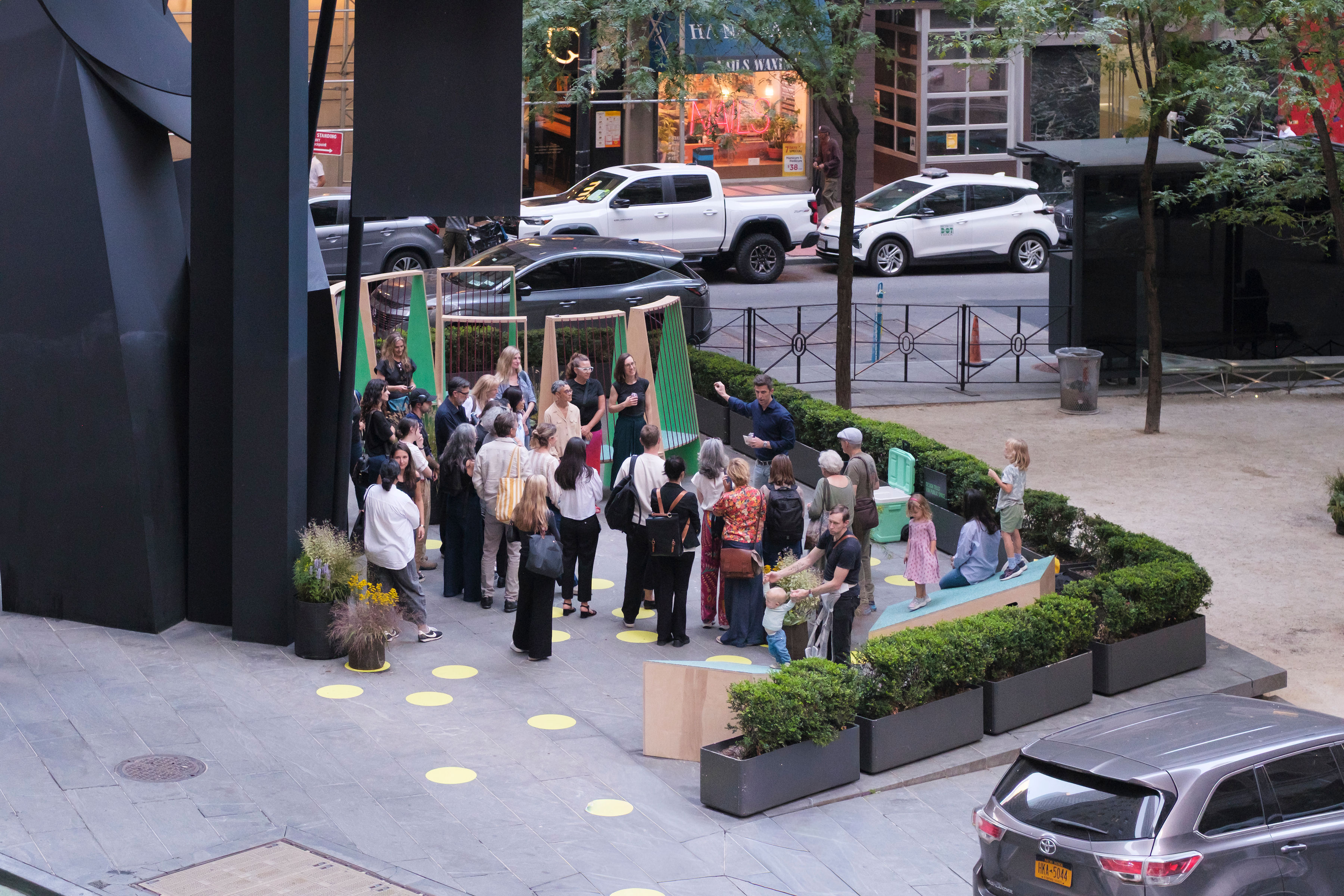
I was invited by WIP Collective to design the sonic and haptic components of the installation, working directly with neurodivergent self-advocates to create a sensory sanctuary within the urban fabric.I joined WIP in a series of co-creation workshops with self-advocates from AHRC NYC, learning directly from their experiences navigating public space.
Through this participatory design process, I designed the sonic environment and haptic experience for the prototype installation at Louise Nevelson Plaza in Lower Manhattan. This included composing adaptive soundscapes, engineering haptic feedback systems, and designing a time-responsive audio environment that responds to changing conditions throughout the day.
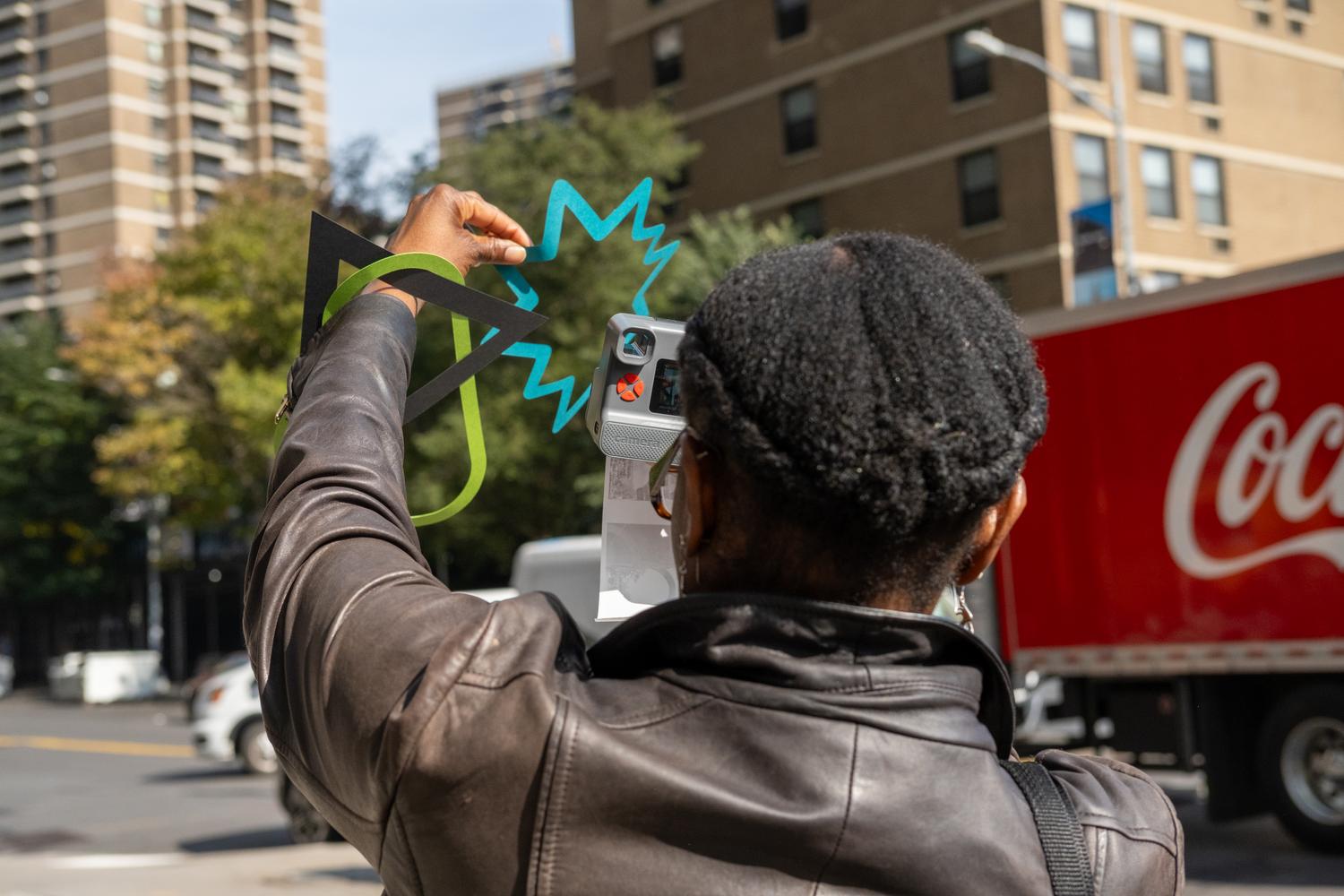
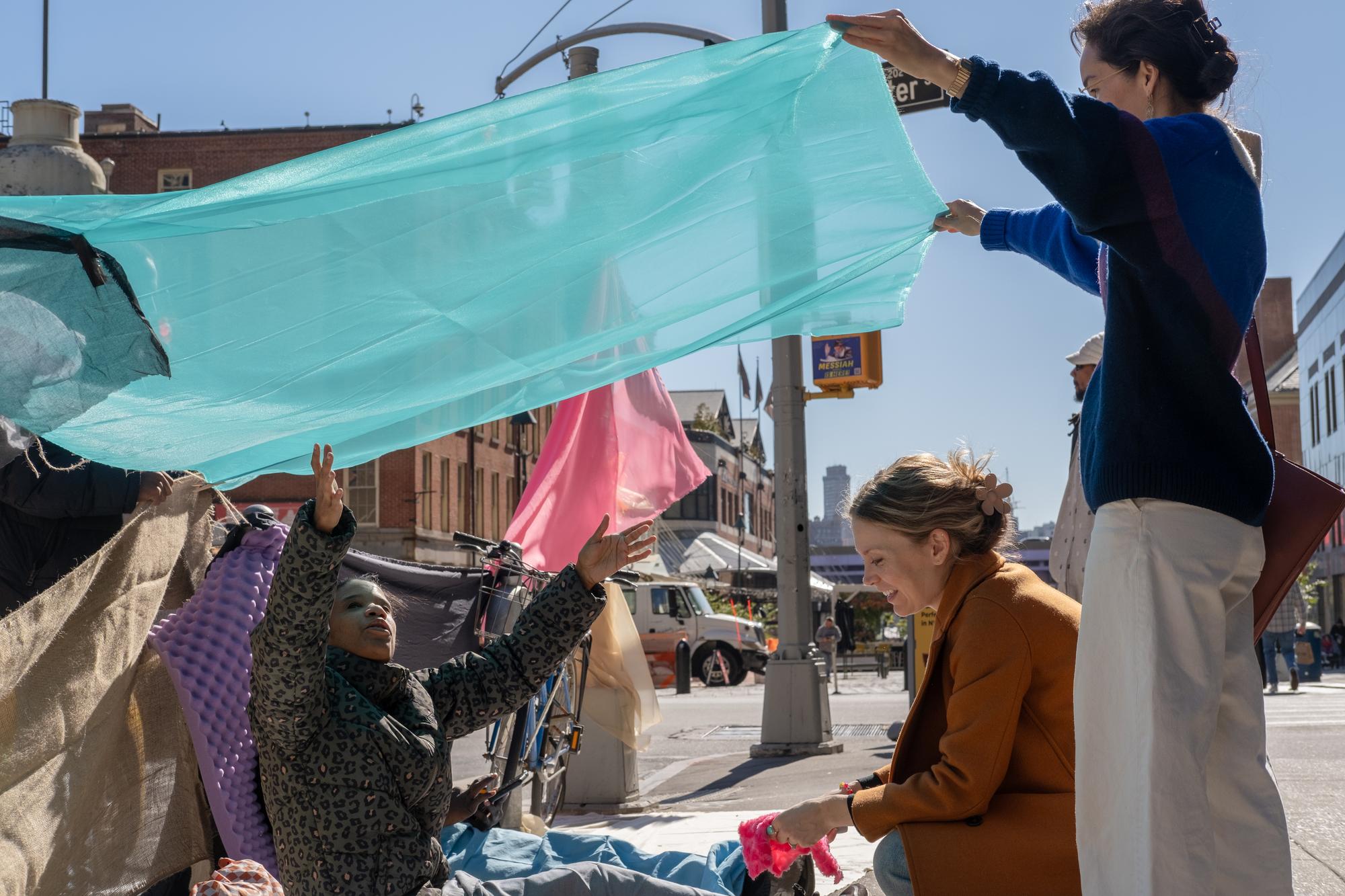
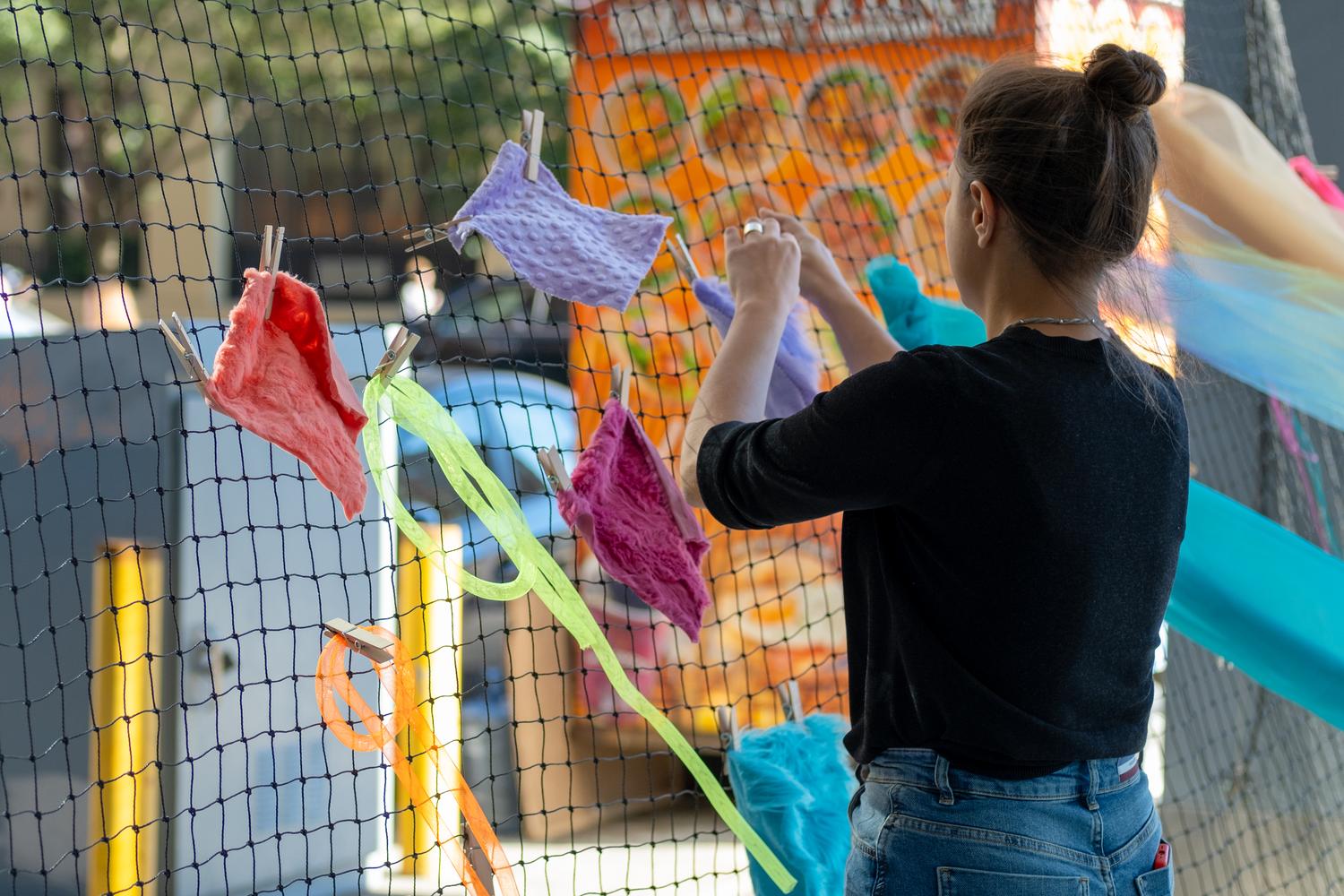
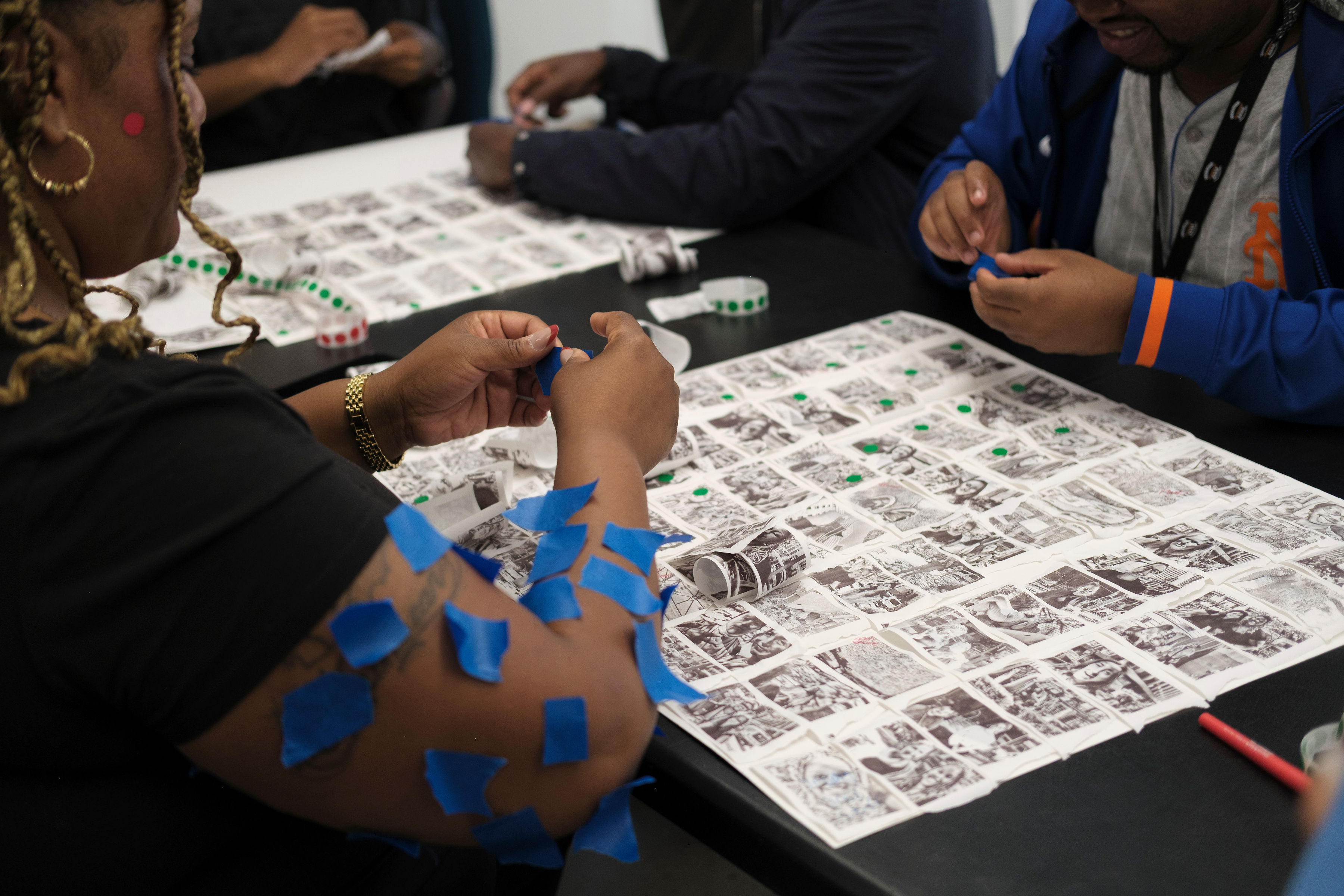
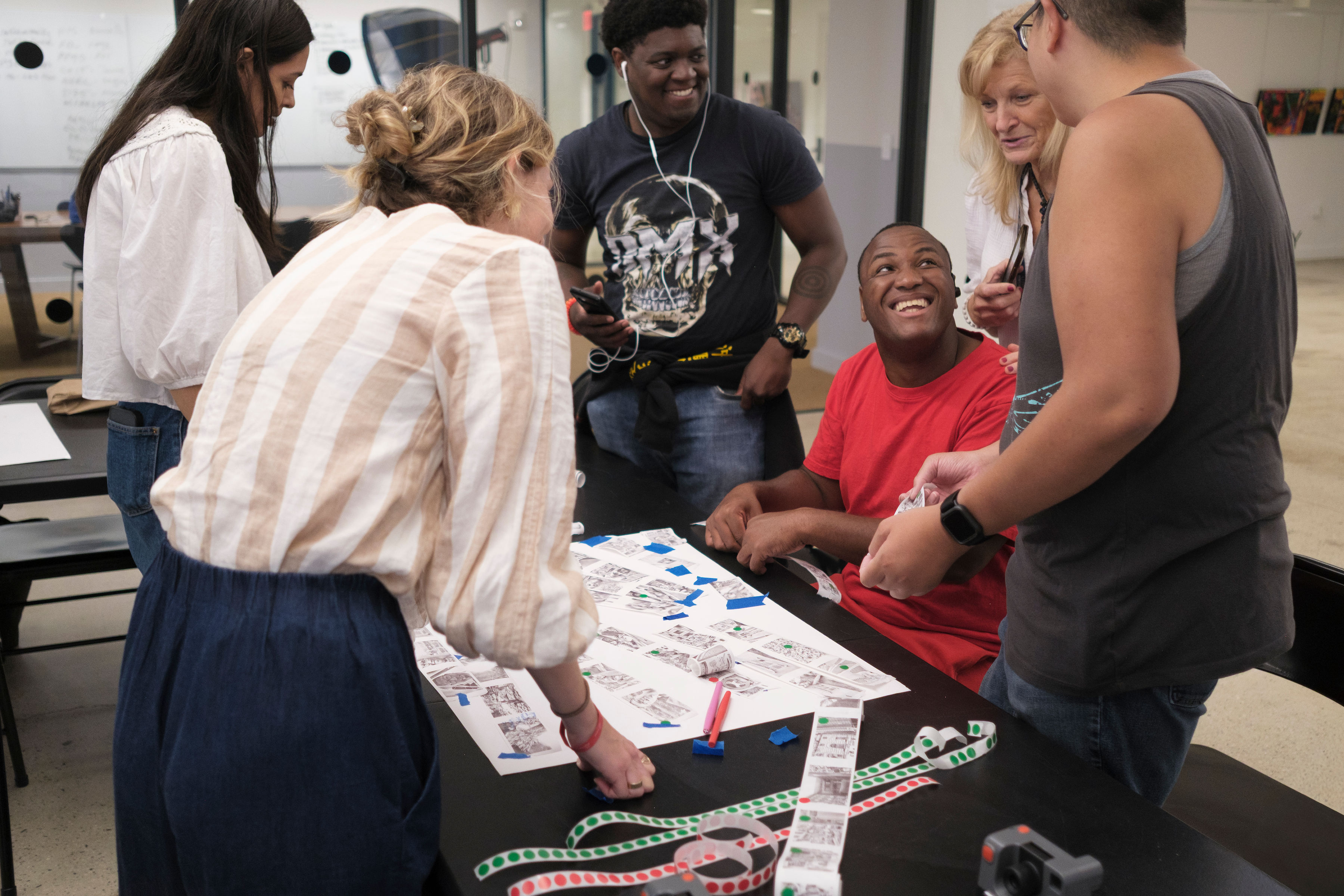
Photos by Katt Manzueta and courtesy of WIP Collective
Sound is a critical factor in sculpting positive sensory experiences, particularly for neurodivergent individuals who may process auditory information differently. Working within the constraints of a public plaza surrounded by traffic and construction, I needed to create a sonic refuge that could mitigate urban noise pollution while providing calming, grounding sensory input. I introduced haptic elements to the seating wedges, powered by transducers that activate gentle vibrations and sounds mimicking waves, rain, and other brown noises commonly found in nature. These tactile vibrations provide an additional sensory dimension that grounds users in the space while offering a calming physical presence.
For the soundscape itself, I composed layered audio featuring local birds and insects to create the feeling of biodiverse nature and living sonic environment that could coexist with the urban context while providing respite from its harshness. The sounds vary throughout the day to be appropriate to the time and the amount of external noise on the plaza. I chose softer sounds for early morning and night when the plaza is quieter, allowing the intervention to respond intelligently to its context rather than overwhelming users with constant stimulation.The prototype installation at Louise Nevelson Plaza represents one of the first examples of neuroinclusive design in NYC's public realm.
The learnings from this installation are informing new guidelines to support the greatest range of physical, emotional, and neurological differences in public space creating a framework that could be scaled across the city.
