Years: 2025 - Ongoing
Media: biolumenescent algea (dinoflagellates), hardware
Song of the Sea: Experiment II is an ongoing series of bioacoustic experiments expanding the research questions introduced in Song of the Sea: Experiment I.
The work investigates sound and water as interfaces, and explores how living organisms can function as responsive, expressive media within hybrid digital–biological systems.
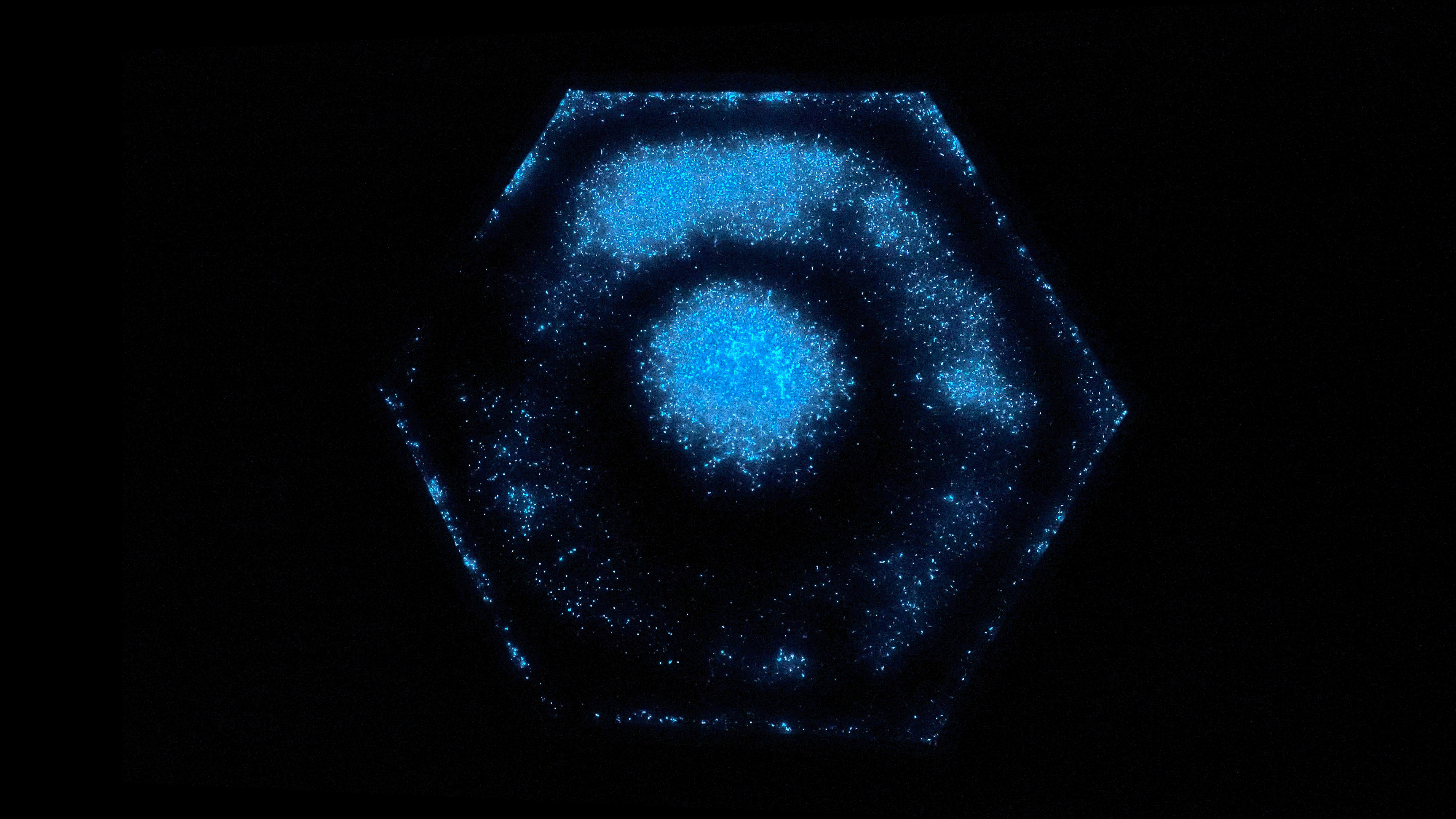
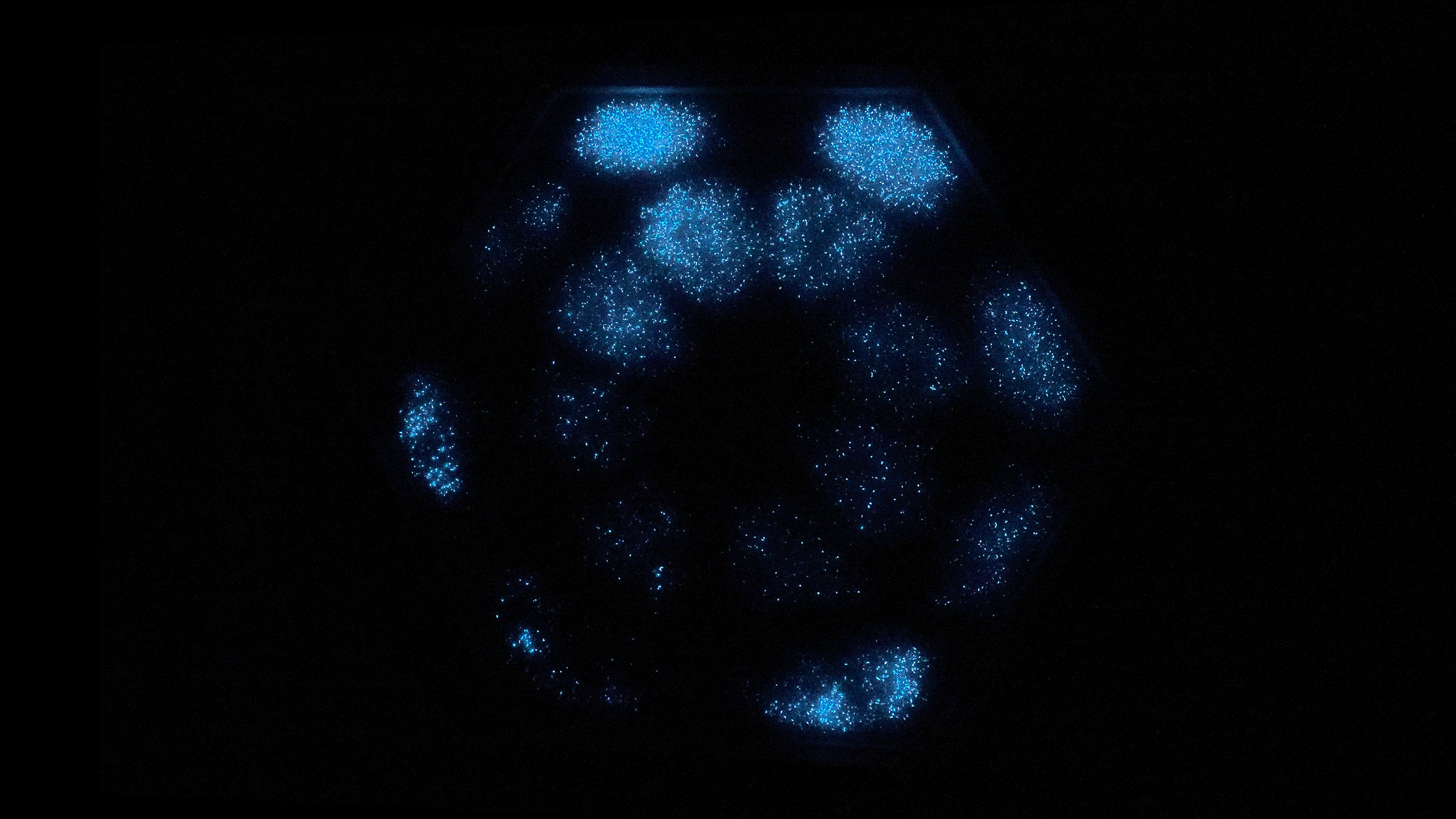
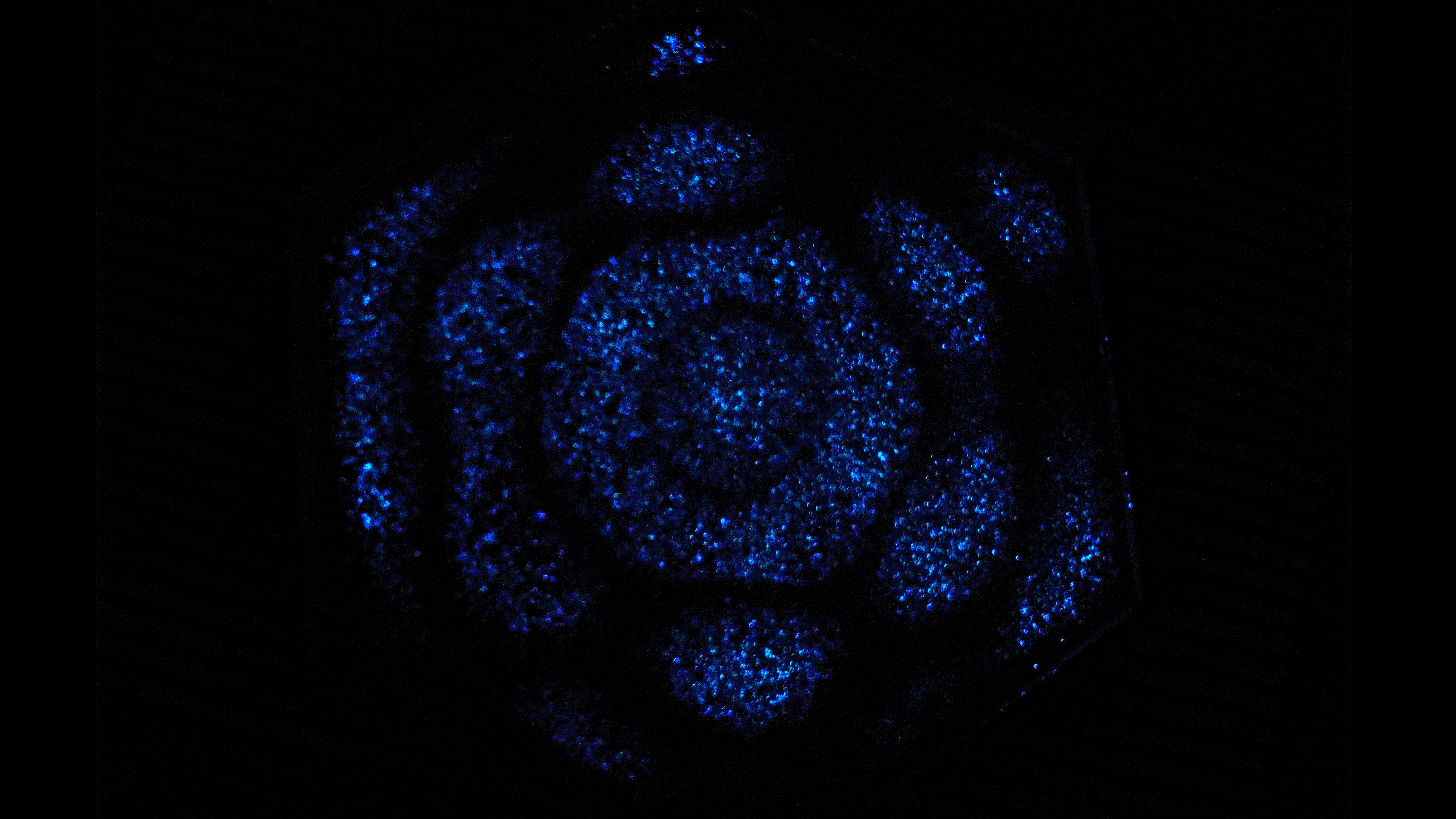
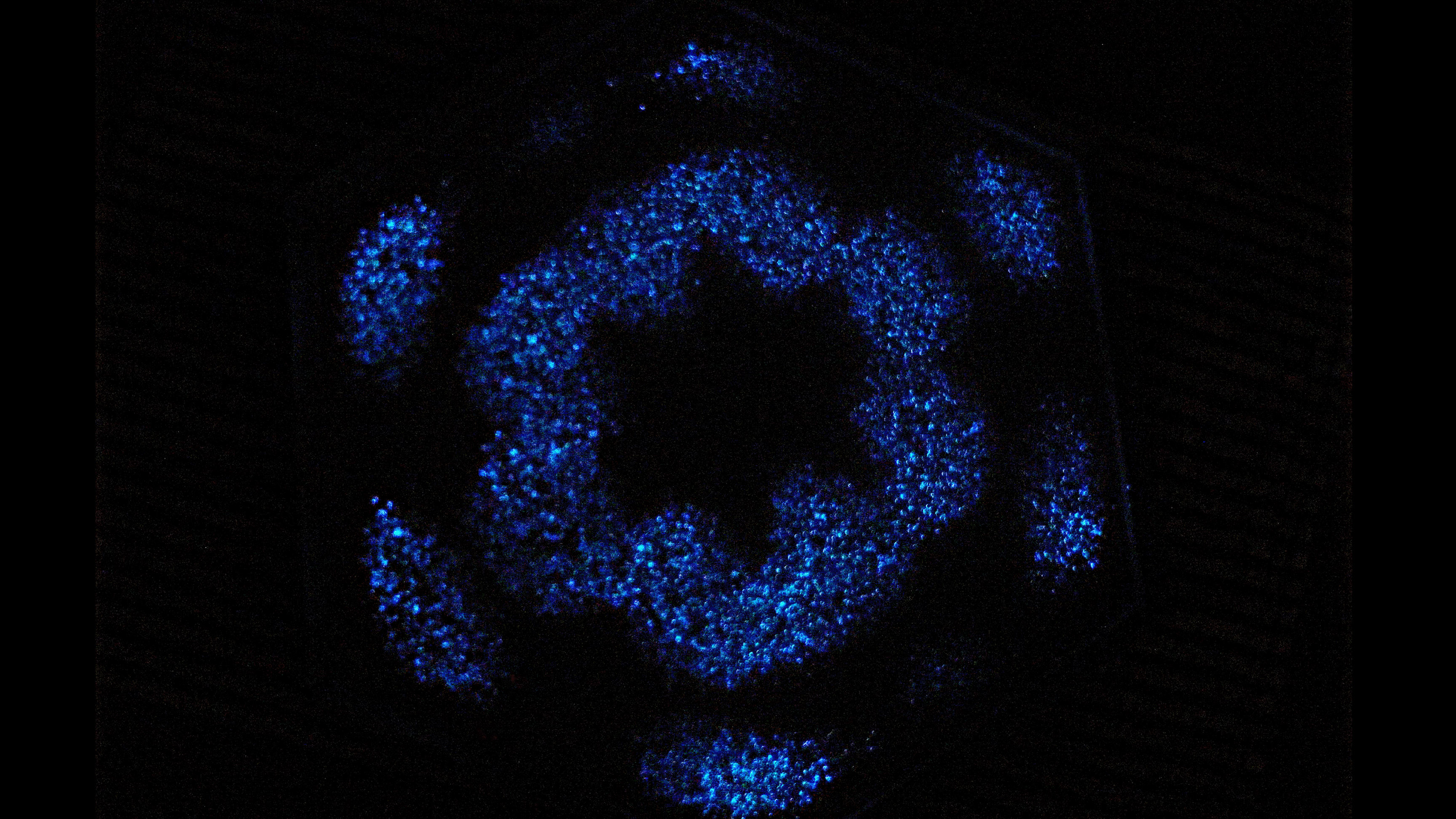
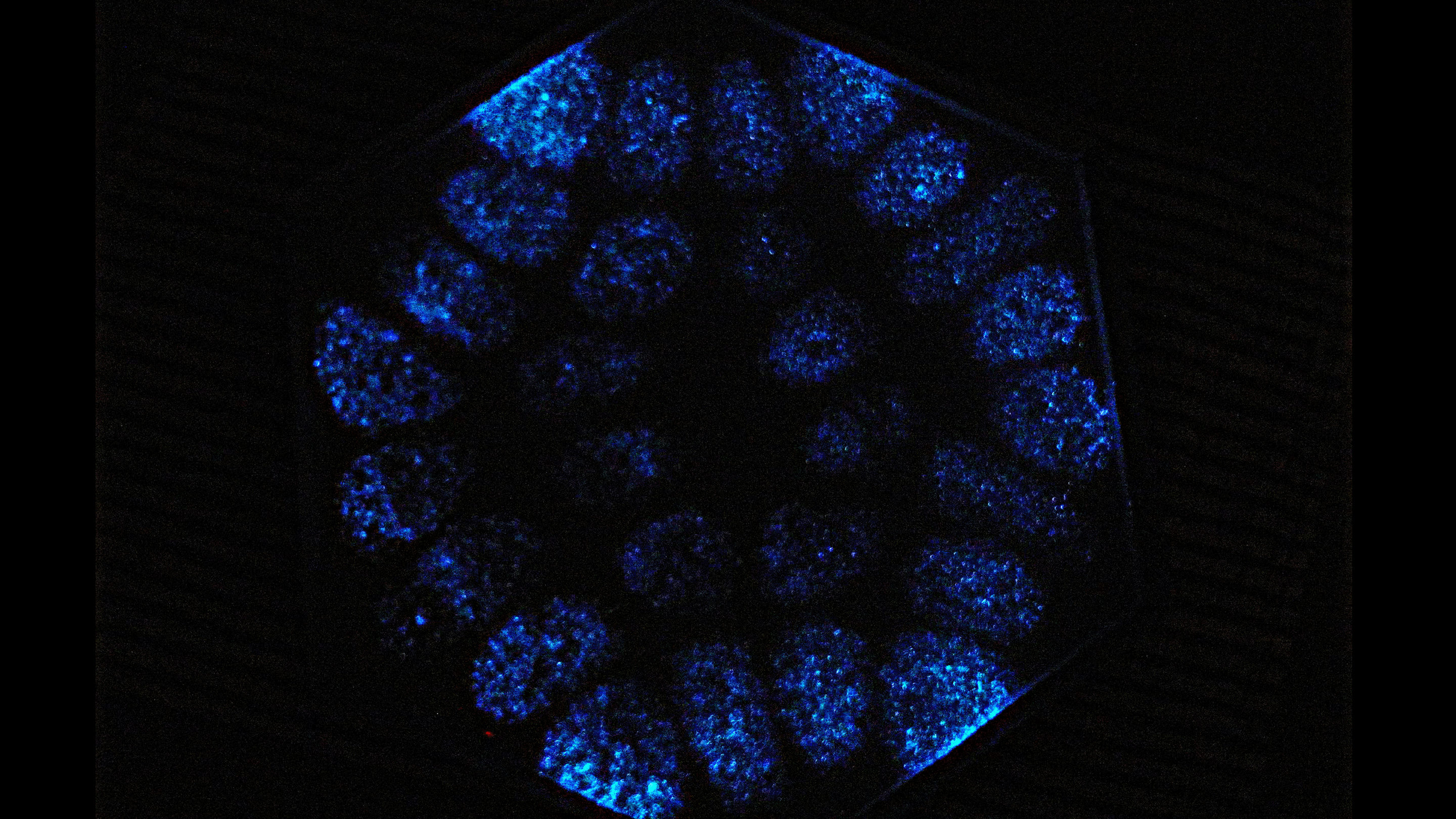
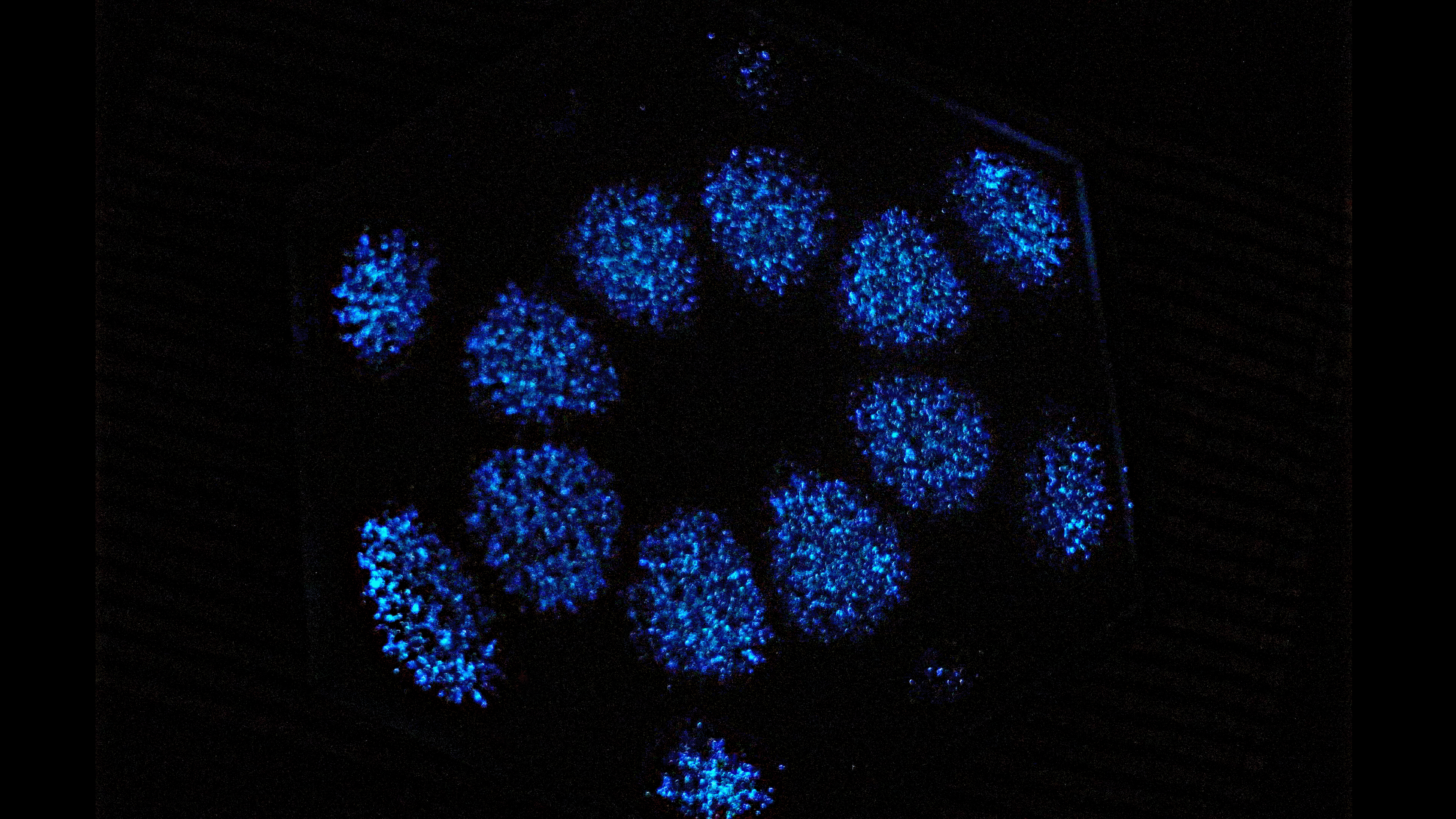
This experiment focuses on the feasibility of using bioluminescent algae (dinoflagellates) as kinetic, living material displays and as a potential foundation for future living light interfaces. The research builds on my earlier explorations into the effects of bioluminescence on human perception, while shifting toward questions of interaction, responsiveness, and regeneration.
Bioluminescence occurs across a range of organisms, including fungi and bacteria, but bioluminescent dinoflagellates are unique as the only known photosynthetic organisms that produce light using energy from photosynthesis. In addition, they produce light in response to mechanical stimulation - a property that makes them especially compelling for interactive and acoustic applications. Often referred to as the fireflies of the sea, dinoflagellates are responsible for most of the blue bioluminescence observed in surface oceans and play a significant role in global oxygen production through photosynthesis.In this study, dinoflagellate cultures are exposed to cymatic vibrations using a controlled linear frequency sweep. The resulting light emissions are observed as a visual response to sound energy, effectively translating acoustic input into living light output. This approach investigates how aspects of livingness (including circadian rhythms, metabolic cycles, and sensitivity to stimulus) manifest within an interface, producing light behaviors that are dynamic, fragile, and non-uniform rather than mechanically precise.
Beyond aesthetics, the work is concerned with regenerative and ecological potential. The evolutionary role of bioluminescence often associated with communication, defense, or survival positions these organisms not as passive materials, but as active participants in the system. By working with their biological constraints rather than overriding them, the experiment seeks alternatives to extractive or purely instrumental approaches to technology.
At its core, Experiment II asks how ocean sound might be made perceptible through living systems. The long-term vision is to develop a real-time biological interface capable of visualizing ocean ecosystems as they unfold, using light, sound, and living matter as a shared language between human and more-than-human worlds.
This experiment extends Song of the Sea’s investigation into interspecies communication by exploring the feasibility of spatialized sound recording in aquatic environments.
While ambisonic recording is well established for air-based soundscapes, its application underwater remains highly debated, both technically and logistically, due to the fundamentally different physics of sound propagation in water. This experiment was inspired by the white paper "Whales in Space: Experiencing Aquatic Animals in Their Natural Place with the Hydroambiphone" which proposes adapting ambisonic spatial-audio theory to underwater bioacoustics through a novel hydrophone array. The paper outlines how spatialized underwater recording can radically improve access to marine acoustic environments by capturing not just sound, but its directional and relational qualities if proven feasable.
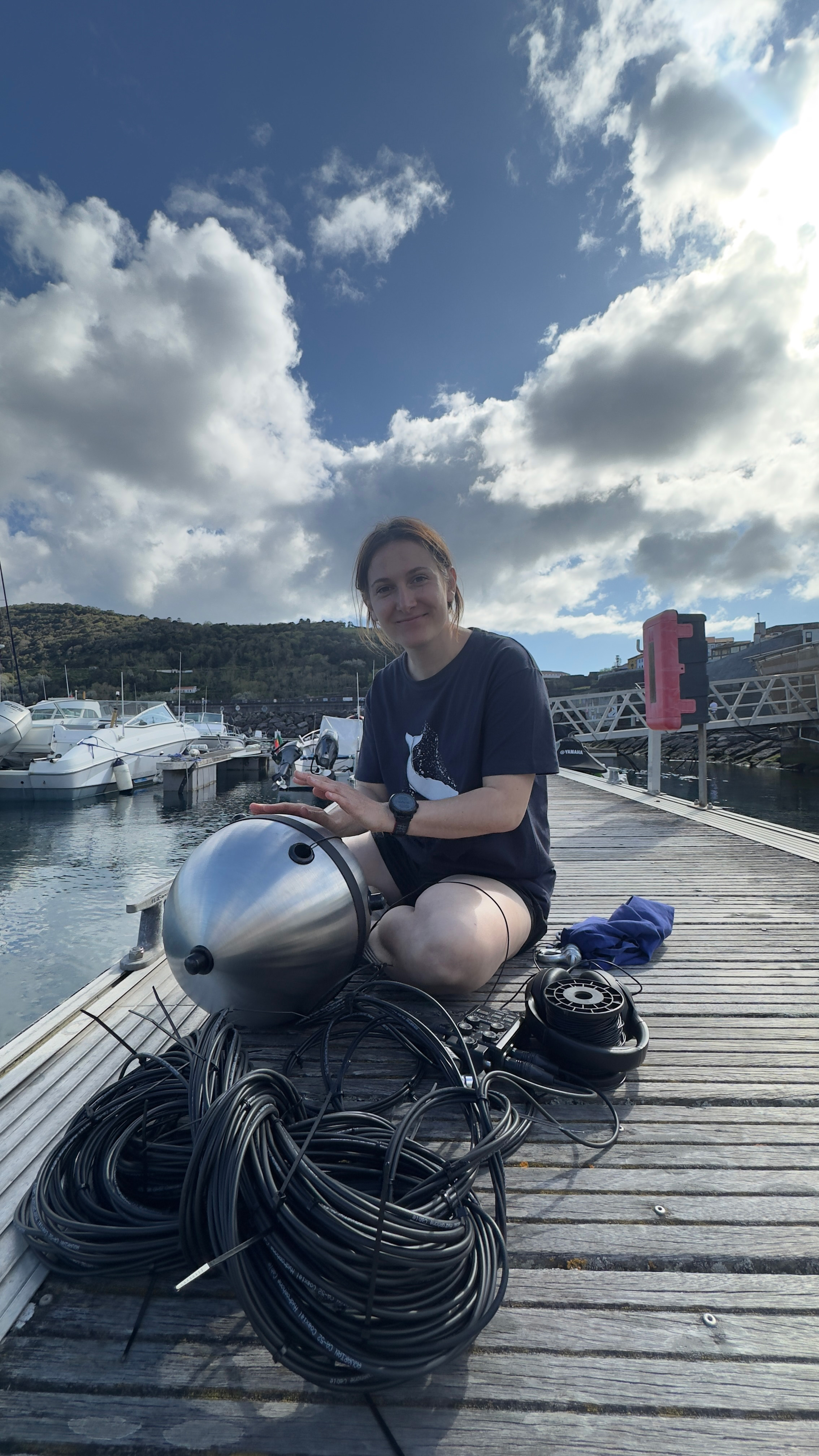
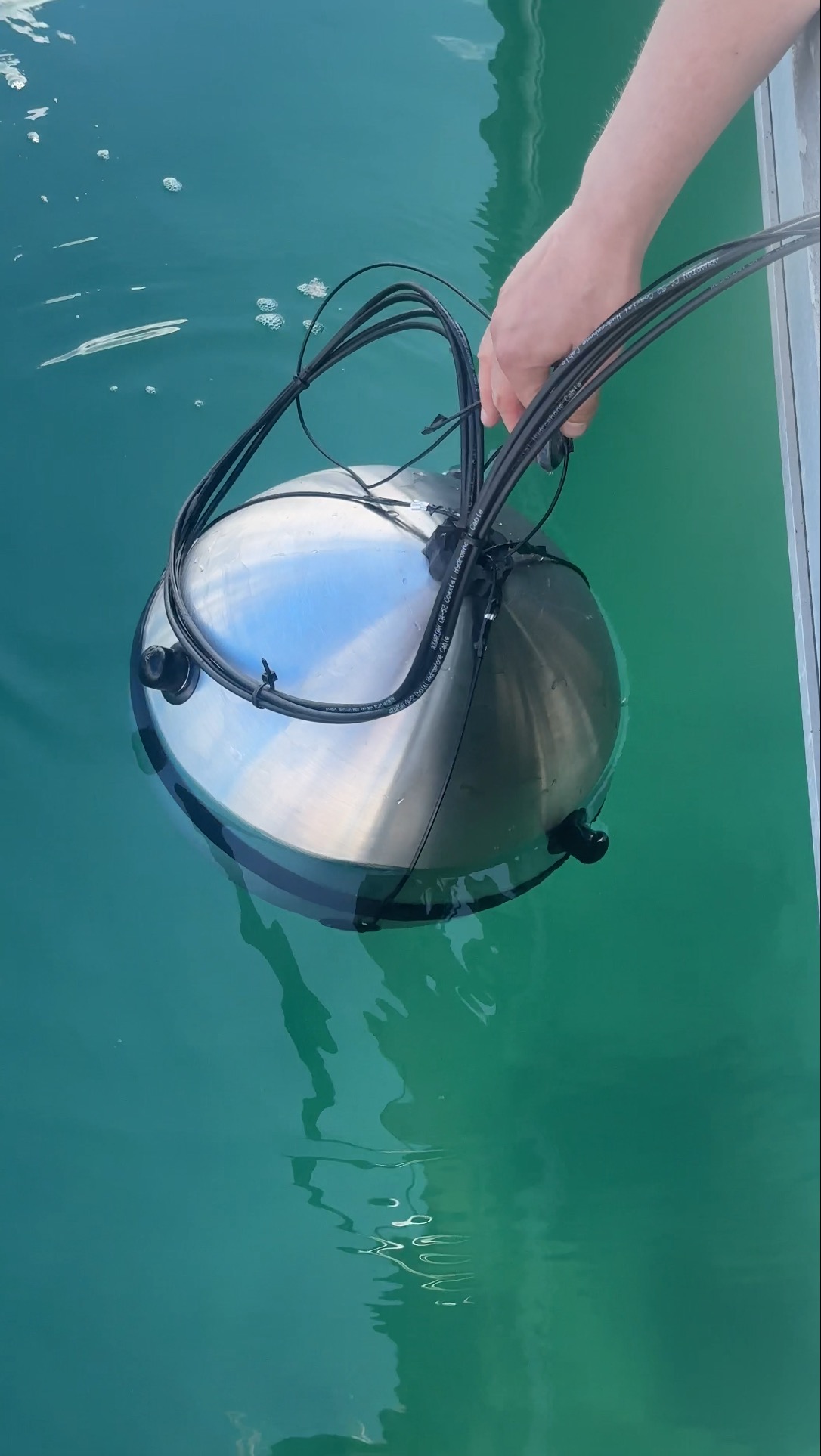
Motivated by a longer-term vision of enabling real-time acoustic exchange between oceanic and terrestrial environments, I built and tested a first-order hydroambisonic recording setup. The system consists of four hydrophones arranged on tetrahedral axes, forming a first-order ambisonic array. Because hydrophones are inherently omnidirectional, the design required introducing directionality, a core technical challenge addressed through spatial configuration and acoustic shadowing. A critical constraint of spatial audio recording underwater is the need to know the precise position and orientation of each sensor. In open-sea conditions this becomes highly unstable due to currents, depth variation, and vessel movement. For this reason, the experiment focused on controlled or semi-controlled environments, where spatial relationships can be reasonably maintained (such as shallow waters or enclosed bodies of water).
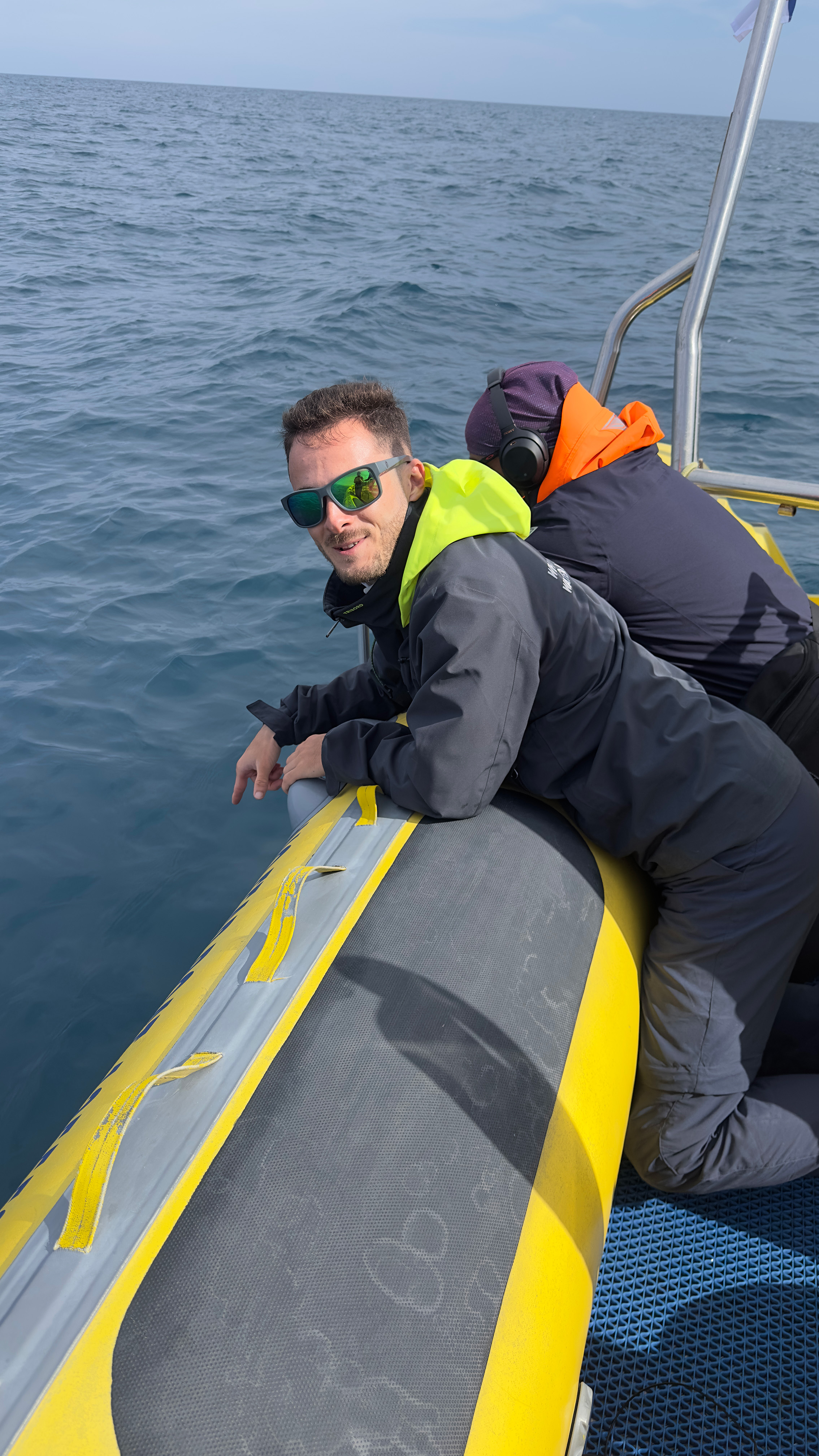
I deployed and tested this system in the Azores Islands in 2025, using it as an early proof-of-concept for capturing underwater sound as a three-dimensional field rather than a flat recording. The setup has clear limitations and requires further refinement, particularly in stability, consistent tracking of microphone location, calibration, and resolution.
Rather than aiming for scientific completeness, this experiment positions instrumentation itself as a form of inquiry. By attempting to listen to the ocean spatially, it asks what new forms of perception, collaboration, and co-creation might emerge when humans engage marine environments not as observers, but as listeners embedded within a shared acoustic field.