Year: 2009
Role: Curator and Exhibition Designer
Partner: Architecture of Movement
Location: Yaroslavl, Russia

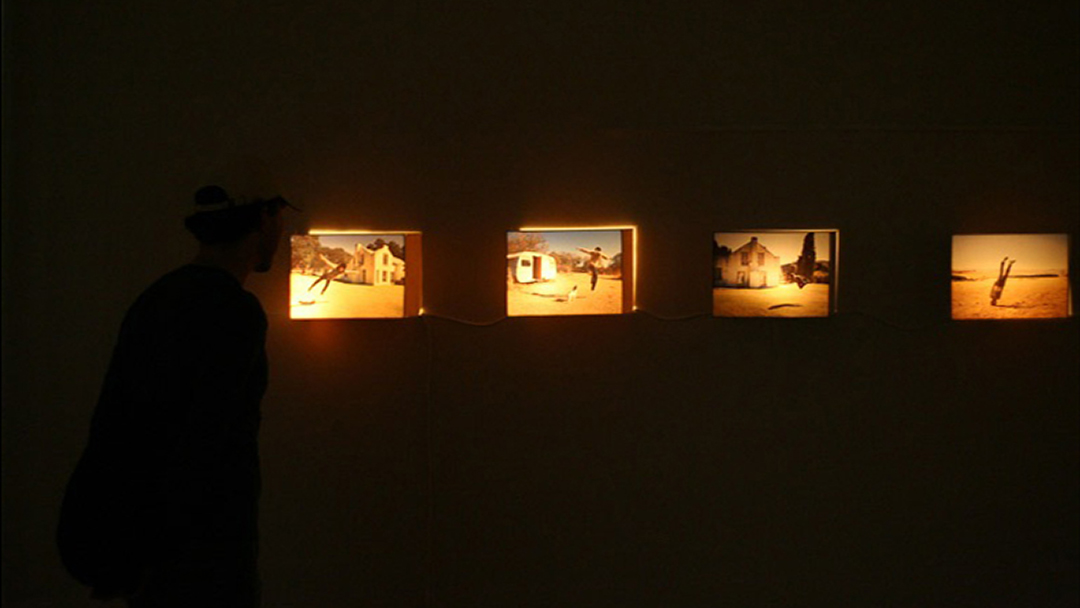
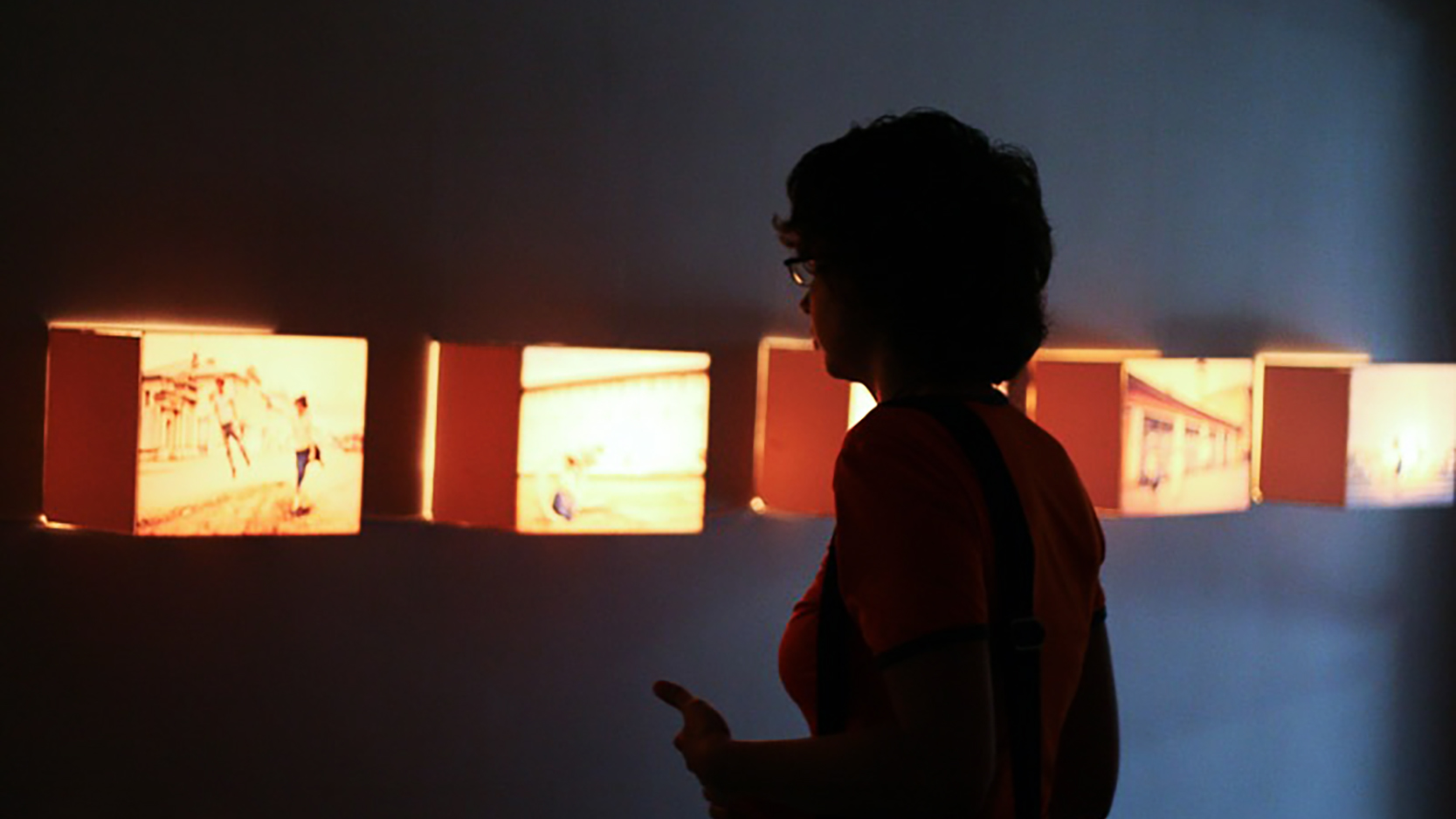
"People and Rhythms" is a photo exhibit that explored the dynamic relationships between architecture, human movement, and urban spaces. This exhibition was a cornerstone project within the Architecture of Movement (ARMV) festival, a month-long annual celebration of urban culture that transformed underutilized spaces in the UNESCO World Heritage city of Yaroslavl.
Working in close collaboration with photographer and filmmaker Max Kutin, I curated a photo series that captured the mesmerizing patterns formed by the interplay of architecture, shadows, reflections, and people in motion. The exhibition examined how individuals navigate and interact with urban environments, revealing the spontaneous choreography of city life.
My curatorial approach prioritized immersive experience over traditional gallery display. I designed custom light boxes that housed each photograph, printed on translucent plastic and illuminated from within. The gallery space was transformed through strategic lighting design—walls draped in black cloth eliminated external light sources, creating an intimate atmosphere where each illuminated photograph became a singular focal point. This technique emphasized the dynamic contrasts and kinetic energy inherent in Kutin's work.
"People and Rhythms" served as one of my first major curatorial projects within ARMV, a festival I helped develop from 2008-2010. ARMV addressed the cultural needs of young people in a historic city where preservation often took precedence over contemporary cultural expression. By transforming parking lots, neglected parks, and abandoned structures into destinations for modern art, we created new platforms for creative expression while respecting the city's thousand-year heritage.The exhibition contributed to ARMV's broader mission of reimagining urban development through cultural intervention, demonstrating how contemporary art could activate underutilized spaces and foster community engagement in historic urban contexts.
